The question I typed into a search bar at midnight was not about niches or designs. It was where the boxes would go. I pictured a spare room full of mugs, a customer writing that the shirt arrived wrong, and me standing at a post office with a parcel I never wanted to handle. Print on demand sounded like the answer.
But nobody explained who would be holding the problem when something went wrong.
That is what this walk-through covers: how to start a print on demand business from a laptop, in order, from the first account to the first order, with a clear line between what the supplier takes on and what stays with you.
Quick answer, in the order it matters:
- No stock, no spare room: the supplier holds the blank, prints it after the sale and ships it to your buyer.
- Supplier first, store second: the supplier decides what you can sell and how fast it arrives, so choose it before you build a shop around it.
- Order one yourself before anyone else does: a test order is the only way to see the physical product before your buyer does.
- Defects are the supplier’s problem, preferences are yours: a faulty print is replaced in full inside a thirty-day window, a wrong size or a changed mind is not returnable.
- The one thing you must check yourself is that every font and graphic on the product is licensed for selling printed items.
Before the steps, one practical thing: the only input you fully control is the artwork, and a commercially licensed design bundle keeps that part simple from day one.
What You Need to Start a Print on Demand Business From a Laptop
Less than the courses suggest. A laptop, an email address, an account with a print supplier, a store that connects to it, and a handful of designs you are allowed to sell. That is the whole list.
Here is what is not on it:
- A storage room. Nothing is bought in advance.
- A printer or a heat press. The supplier owns the machines.
- A shipping desk. The supplier packs the parcel and hands it to a carrier.
- A decision about stock levels. There is no stock to run out of.
The artwork is the part to settle first, and a starter set of printable designs covers it without a licence argument later.
What stays with you is the work that happens on a screen: choosing the product, preparing the artwork, writing the listing and talking to the buyer. If you can do that on a laptop, you can start.
The honest limit is time rather than money. The first order does not appear on the day you publish, and nothing in the setup changes that. To compare this against other low-start routes first, side hustle ideas lays them side by side.
Where the Warehouse Went: Who Holds the Stock
The blank item, a plain shirt or a plain mug, sits in the supplier’s facility. Your design is applied only after a buyer pays. So the warehouse did not disappear. It moved, and it is not yours.
That changes three things at once:
- Nothing sits unsold. A product that never sells costs you nothing but the time you spent on the listing.
- Nothing is checked before it ships. You do not inspect the item, which is exactly why the next sections on test orders matter.
- The clock belongs to the supplier. Production and delivery run on their schedule, not yours.
On that last point the numbers are published. One large supplier states that its average fulfilment time is two to five business days across all products, and that the delivery estimate your buyer sees is the sum of fulfilment time and shipping time.
Delivery is handled by third-party carriers and the options vary by destination, and some countries are not served at all because of legal restrictions or carrier limits.
While the blank belongs to the supplier, the artwork on it belongs to you, so it helps to start from a commercial-use PNG bundle.
So the first order never leaves on the day it is bought. Put that in your listing before your buyer finds it out.
How to Start a Print on Demand Business: Supplier First, Store Second
Most guides begin with the store. I would begin with the supplier, because the supplier decides what you can list, where it can ship and how quickly it arrives. A beautiful shop in front of the wrong supplier is a shop you rebuild.
The order I use now:
- Open a supplier account. Registration is free at the major ones, and you only pay when an order exists.
- Read the shipping page before the product range. Which countries are served, how long fulfilment takes, and what the delivery options are.
- Read the returns and reprint policy. It is the page that answers your fear, and it is short.
- Pick one product. One, not twenty. A single blank you understand beats a long list you copied.
- Connect a store. Most suppliers plug into the large marketplaces and storefront platforms directly, so the connection is a setting, not a project.
- Add the product and the artwork. This is the part that feels like design work, and it is the shortest step.
The supplier’s policy pages will not tell you which product to choose. If that is your next question, print on demand products that still pay works through the blanks one by one.
Once the account is open, the next thing it asks for is a file, and a print-ready design bundle means that file is ready the same day.
Pro tip: keep a screenshot of the policy pages on the day you sign up. Policies change, and you want to know what they said when you agreed to them.
The Test Order That Settles the Fear Before the First Customer
You are about to sell a physical thing you have never touched. The test order is how you touch it.
Order one finished item to your own address, with your real artwork on it, for example a design from a sublimation design bundle, so the sample is a true preview. Then check what a mockup cannot tell you:
- Is the print where the mockup said? Placement, size and sharpness.
- Do the colours match the screen? They rarely match completely.
- How did it arrive? Packaging, condition, time since you pressed the button.
- Does it look like something you would pay for? That one is the honest test.
Sellers already know this is the step that matters. In seller threads about print on demand, one in nine raises storage, returns, damaged items or delays (103 of 910), and the test order comes up almost seven times more often than in Etsy seller talk generally, 4.6% against 0.7%. The fear is loudest before the first order, not after it.
And the test order is the answer people reach for.
It also gives you something to measure. The time between your order and the parcel at your door is the delivery time your first buyer will live with, so write that number into the listing rather than a hopeful one.
I ordered mine to my own door before I told anyone the shop existed, and I would do it in that order again.
If you only have time for one check, make it this one. A mug that arrives wrong costs you a single parcel. The same mug discovered by a buyer costs you a review.
Design Files You Are Allowed to Print and Sell
I learned this one late. Here is the part the supplier will not check for you. Your artwork, your fonts and every graphic on the product need a licence that covers selling a printed item. The supplier prints what you upload. Whether you were allowed to upload it is your problem.
The rule is short:
- Personal-use licence: applies to non-commercial use only, which means anything not intended to make money. A listing is intended to make money.
- Commercial licence: required when a font or graphic is used for any commercial project, and a product for sale is one.
- Check each asset, not each bundle, because a bundle can mix licences.
That is the limit of the free route. Free fonts and clip art from random pages almost always sit on the personal side of that line.
Finding out after a complaint means redoing listings you have already built. Drawing everything yourself is possible, but it is a lot of hours when you want to test several designs on one blank.
Three files that fit a laptop-first start, each flat, single-placement and ready for print:


Listing the First Product Without Lying in the Mockup
A mockup is a picture of what the product will look like. A test order is the product. When they disagree, the buyer trusts the product, and the review follows it.
So build the listing from the test order, not from the mockup alone:
- Use a photograph of the real item next to the mockup when you can. Your own test parcel is the only honest source.
- Write the delivery time you measured, and name the production window as well as the shipping window.
- State the size information as physical dimensions, not as “runs small”, so a buyer can compare against a garment they own.
- Put your return terms in the listing. Printed to order means a wrong size or a changed mind is not returnable. Say so before the purchase, not after the complaint.
That last line is the most useful sentence in the whole listing. The terms were clear before the buyer pressed buy, and that is the only position from which you can decline politely.
To make the listing images, print on demand t-shirt designs shows what a design needs to look like on the garment, and mockups save you from photographing every variant. A Comfort Colors Mockup Bundle is the shortest route to a clean first photo.
What Happens After the First Order
Someone pays. This is the part nobody described to me, so I will lay it out in order.
- The order reaches the supplier through the store connection. You do not forward anything by hand.
- The supplier makes the product. Fulfilment takes, on average, two to five business days at a large supplier, and it depends on the supplier’s current order volume and capacity.
- A carrier takes the parcel. From here the delivery time depends on the destination and the carrier, not on you.
- The tracking reaches the buyer through the store. Your job is to make sure the buyer knows to expect it.
- The buyer receives the item, and the clock on any defect claim starts at delivery.
Your part in all of this is small and specific: watch the first few orders, check that tracking appears, and answer messages quickly. Speed of reply is the one thing you control during the days the parcel is out of your hands.
While the first parcel is in transit, the useful work is the next listing, and a t-shirt design bundle gives you a queue of them.
I refreshed the tracking page far more often than I like to admit. Plan for the first order to feel slow. It is not broken. The estimate your buyer saw is production plus shipping, and both halves are real days.
Returns: What the Supplier Covers and What Stays With You
This is the section the whole fear was about, so here it is as a table.
Defect or preference: that one question sorts every complaint.
| What happens | Who handles it | What it means for you |
|---|---|---|
| Print error or manufacturing fault | Supplier | Once the claim is approved, the supplier covers the full cost of making and shipping the replacement. |
| Claim window | You file, supplier pays | Thirty days from delivery. After that the free replacement is gone. |
| Wrong size | You | Printed for that order, so the supplier does not take it back. |
| Changed mind | You | Same rule: not returnable, so your listing has to say so. |
| Replying to the buyer | You | Nobody else will write to them. |
Two sentences carry most of the weight.
The first: once a claim is approved, the supplier covers one hundred percent of the cost to manufacture and ship the replacement. The second: because items are printed on demand and made for one order, returns for the wrong size or a change of mind are not accepted.
I keep both replies saved as drafts, so an answer takes a minute rather than an hour.
The practical rule that follows is one question you ask every time a complaint arrives: is it a defect or a preference? A defect goes to the supplier with photos, inside the window. A preference is answered politely from the terms you published.
The table gets simpler when artwork never causes a complaint, so use designs from a commercial-licence graphics library where the terms sit on the product page.
And one habit worth copying: never refund the buyer from your own bank when the supplier will remake the item for free. The refund button is the expensive way to solve a problem that has a free one.
When an Order Arrives Damaged or Late
These are the two things that actually go wrong. Neither is a disaster if you know the order of moves.
Damaged or misprinted:
- Ask the buyer for clear photos of the problem.
- Open a support ticket with the supplier for that order, with the photos attached, inside the thirty-day window from delivery.
- Tell the buyer a replacement is on the way and that they do not need to send anything back.
Late:
- Check the tracking first. The estimate is production plus shipping, so a parcel can be on time and still not arrived.
- Tell the buyer what the tracking says, in plain words and without a guess at a date you do not control.
- If the tracking has not moved, contact the supplier before the buyer has to ask twice.
I start the claim the same day a photo arrives. The thirty days are the part to remember. Miss the window and the free replacement is gone, and the cost moves to you. So when a defect message arrives, start the claim the same day.
Keep a copy of each exchange, and save the licence terms of each design too. On a product page such as Boho Floral Mama T-shirt Design PNG commercial use is stated beside the file.
Keep a copy of each exchange. It is the quickest evidence you will ever have.
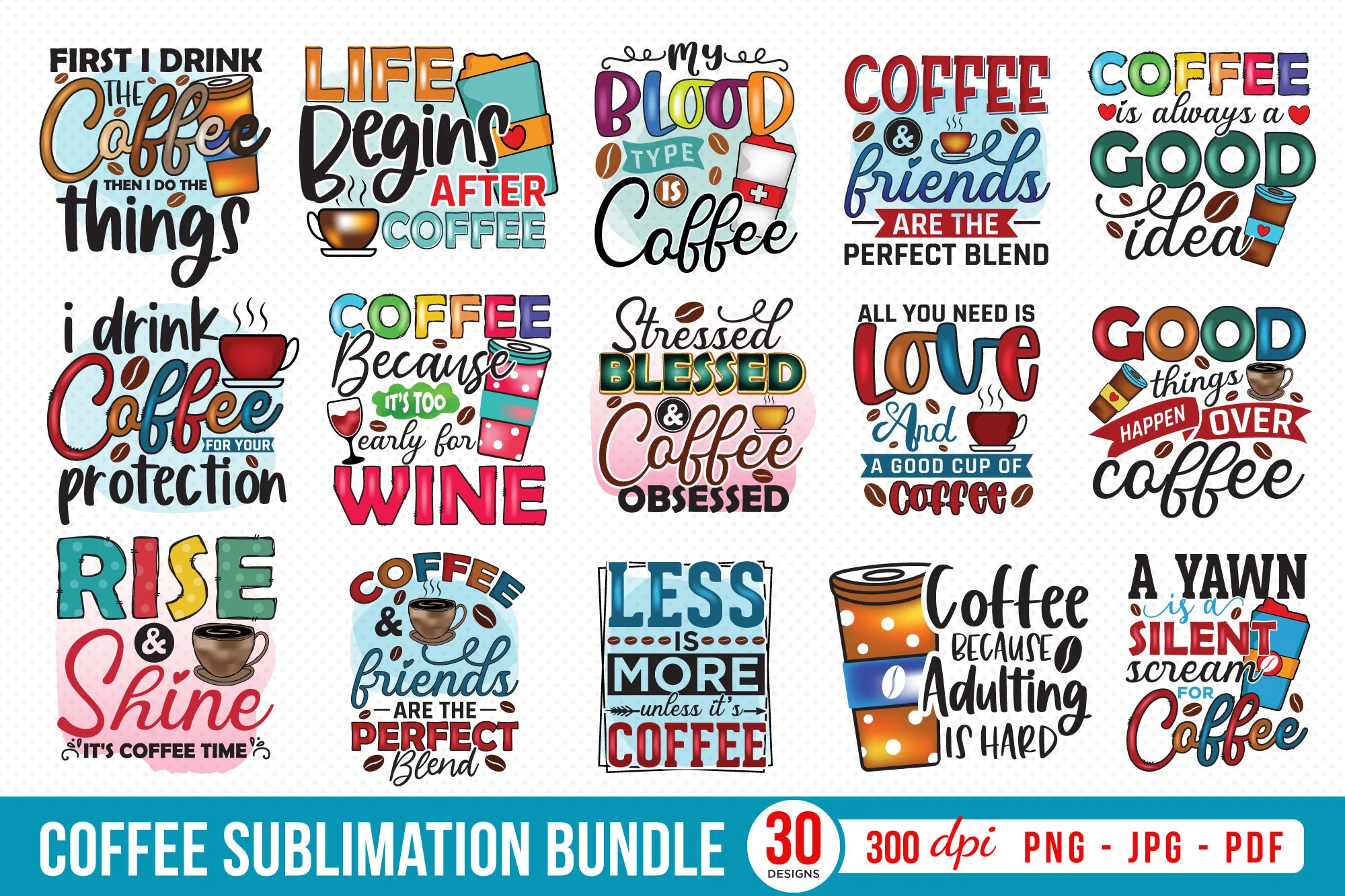
The one input you can improve before any order exists is the artwork, for example a set like the Coffee Sublimation Bundle that states its files and use up front.
What this does not fix: you cannot make a carrier faster, you cannot make a supplier’s capacity larger, and you cannot make every buyer happy. For the wider question of whether this model suits you at all, make money online sets out where the passive part stops.

Print on Demand Business Setup FAQ
How does print on demand business work?
A buyer orders from your store, the order goes to a supplier, the supplier prints your design on a blank item and ships it to the buyer. You pay the supplier after the sale and never hold stock.
How do I start a print on demand business?
Open a supplier account, read its shipping and returns pages, pick one product, connect a store, add licensed artwork, place a test order to yourself, then list. The order matters more than the speed.
Is print on demand a good business?
It removes stock, packing and posting, which is what most people fear. It does not remove the work of finding buyers, and it does not remove responsibility for what you list. It suits people who want a low start and are willing to keep testing designs.
How to start print on demand business with no money?
Supplier accounts are free to open and you pay when an order exists. Several storefront platforms have a free plan available. The costs that remain are your time and the test order, so the start is cheap rather than free.
Do I need a warehouse or inventory?
No. The supplier holds the blank items, prints after the sale and ships directly to the buyer.
What happens if a customer wants to return something?
If it is a defect or a misprint, the supplier replaces it in full once the claim is approved, inside thirty days from delivery. If it is a wrong size or a changed mind, the item is not returnable, which is why your listing should say so.
How long does the first order take to arrive?
Production and shipping are separate. One large supplier gives an average fulfilment time of two to five business days, then delivery by carrier on top. A test order shows your real number.
How successful are print on demand businesses, and how many fail?
No reliable public count exists, so this guide gives none. Two risks sit fully within your control: listing a product you never ordered yourself, and printing artwork without a commercial licence. Both are covered above. Whatever the number, a shop with licensed designs, such as a print on demand design bundle, removes one avoidable way to fail.
Is print on demand profitable, lucrative or a viable business model?
It can be, and it is never automatic. The supplier’s price and shipping are fixed costs attached to each order, so what is left depends on the product and the design rather than on the model. No income figure belongs in a guide like this one.
How to start a print on demand business online with Shopify, Etsy or Wix?
Choose the supplier first, then connect the store from the supplier’s integration list. Printify, for example, lists Etsy, Shopify, TikTok Shop, Amazon, eBay, PrestaShop, BigCommerce, Wix, WooCommerce and Squarespace as store connections.
What print on demand companies work with Etsy, Shopify, Squarespace, TikTok Shop, Amazon, Wix and GoDaddy?
Which companies integrate with which platform changes, so read the current integration list of the supplier you are considering. Check GoDaddy and any other platform there before building around it.
Which print on demand company is the best, and which has the best quality?
There is no single best company, because best depends on the product, the destination and the delivery time you need. Quality is the one thing you can test directly: order the same item from the two companies you are weighing and compare the parcels. The same test answers the question about dropshipping companies in general.
What is the best print on demand business in the UK?
Start from the supplier’s shipping page, which lists separate delivery options for the UK and for Europe, then place a test order to a UK address and judge the real arrival time. Keep the artwork side simple with a mug design bundle that already lists its licence.
How to grow, promote and create a print on demand business?
Create one product with licensed artwork, list it from the test order, then add designs one at a time. Promote the listings through the channels your buyer already uses, and keep a record of which design earned the click.
Is print on demand business halal?
That depends on the products and designs you choose to sell and on your own religious guidance, not on the print on demand model, which is a sale of a printed item after the buyer pays.
Do I need a commercial licence for my designs?
Yes, from the moment an item is listed for sale. A personal-use licence covers only use not intended to make money. If a design came from a commercial-use design bundle, the terms are on the page you bought it from.
Key Takeaways
- The warehouse did not vanish. It belongs to the supplier, which holds the blank, prints it after the sale and ships it.
- Choose the supplier before the store, and read its shipping and returns pages before its product range.
- Order one finished item to yourself before the first buyer does, and write the delivery time you measured into the listing.
- A faulty print is replaced in full once approved, inside a thirty-day window from delivery. A wrong size or a changed mind is not returnable.
- Defect or preference is the one question that sorts every complaint.
- Every font and graphic needs a commercial licence for printed products, and that check belongs to you.
If one thing is worth doing today, it is the input you own: start from artwork you are allowed to print, such as a commercially licensed design bundle, then order the test item to your own door.